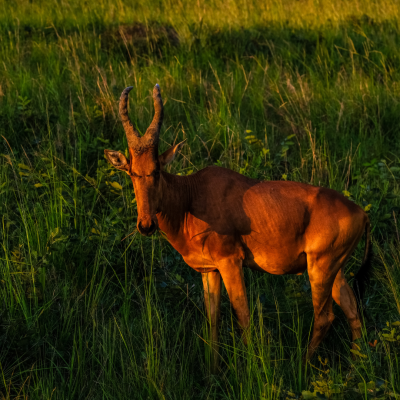
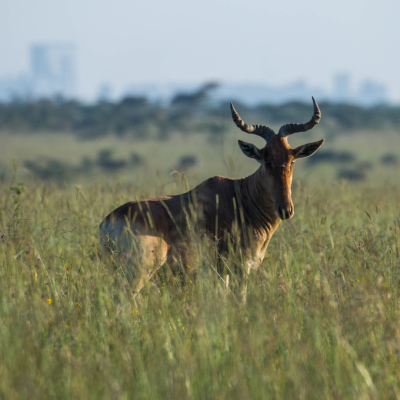
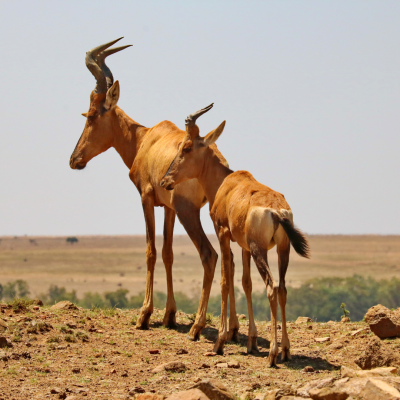
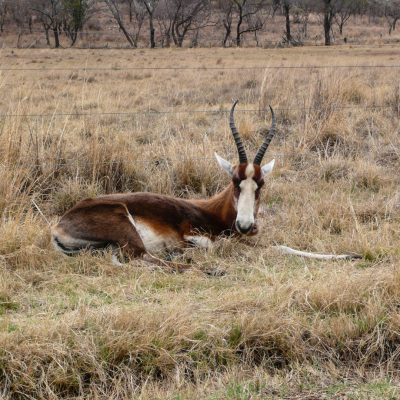
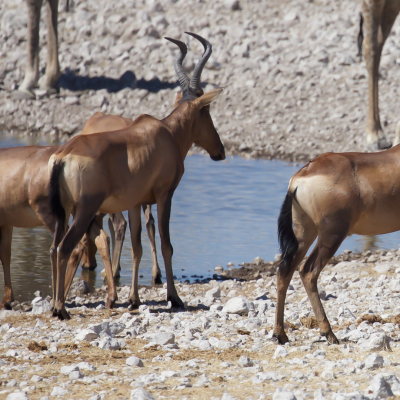
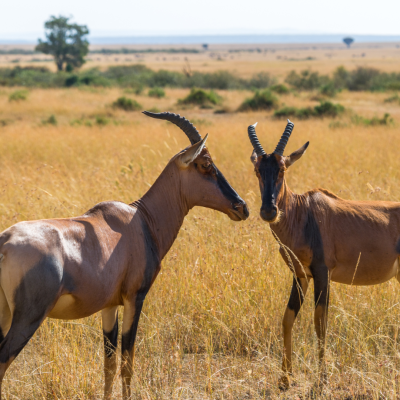
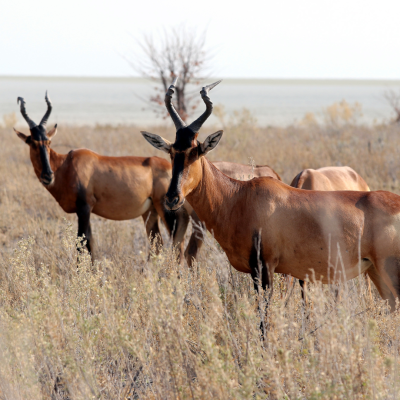
When you’re out on a game drive in Kruger National Park, it’s easy to be distracted by the “Big Five” or more familiar antelope like impalas and kudus. But keep your eyes peeled—you might spot a hartebeest, one of Africa’s most uniquely built and underrated animals. With their elongated faces, high shoulders, and incredible stamina, hartebeests are a marvel of evolutionary design.
Let’s take a look at what makes these lesser-known antelope so fascinating.
Speed and Endurance Athletes
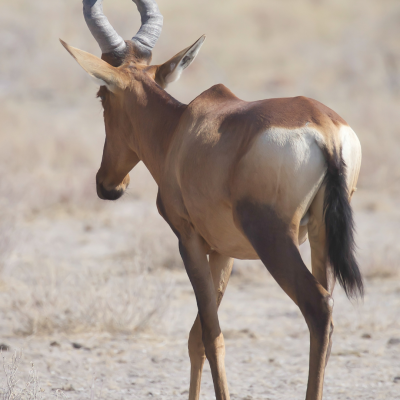
Hartebeests may look awkward with their long legs and sloped backs, but they are built for speed and distance. They can reach speeds of up to 70 km/h (43 mph) and maintain long-distance running better than many predators.
Unmistakable Appearance
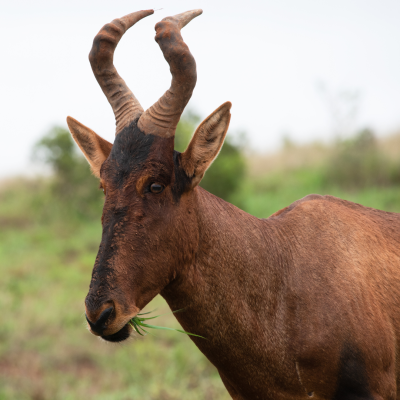
One of the easiest antelope to identify, hartebeests have a bizarre, stretched-out face, tall front shoulders, and sharply angled horns that curve in a heart shape—hence their name, which comes from the Dutch word “hert-beest” (meaning “deer-beast”).
Horns on Both Sexes
Unlike some other antelope species, both male and female hartebeests have horns. These horns are thick, ridged, and strongly curved—perfect for defense and intraspecies combat.
A Herd of Hierarchies
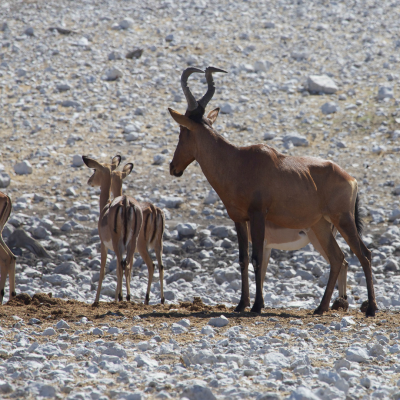
Hartebeests are highly social animals, often forming herds of up to 300 individuals, especially in open grasslands. Males form bachelor groups or guard territories, while females and calves move in large herds.
Grazing Experts
These antelope are almost exclusively grazers, favoring grasses over leaves. Their narrow muzzles help them selectively graze, allowing them to survive even when food is scarce.
Super Sentries
Hartebeests are alert and cautious—always scanning the horizon for danger. On a game drive in Kruger National Park, you might see one standing on a termite mound or ridge to get a better view of its surroundings.
Incredible Stamina
Hartebeests have evolved to escape predators not by sprinting in short bursts, but by outlasting them over long distances. This makes them especially hard for lions and hyenas to catch.
Territorial Males
Dominant males fiercely defend their territories during the breeding season. They use their horns in displays and physical fights to secure mating rights with females.
Adapted to Heat
With their high-set bodies and long legs, hartebeests are well-adapted to the open, hot savannahs of southern Africa. They are more heat-tolerant than many other antelope species.
A Rare Sight in Kruger
While common in parts of East and Central Africa, hartebeests are not often seen in Kruger National Park, making them a special sighting on any game drive. Their close cousin, the red hartebeest, is more commonly found in private reserves and western parts of South Africa.
Keep Your Eyes Open
Hartebeests may not be flashy, but their quirky appearance, powerful endurance, and social smarts make them one of Africa’s most interesting antelope. Spotting one in Kruger National Park is a special treat—and a great reminder that the bush is full of unsung heroes.
ContactUs
We would love to work with you!
Contact
Email: info@wowkruger.com
Physical Address:
Phabeni Gate
×
Hello!
Click one of our contacts below to chat on WhatsApp