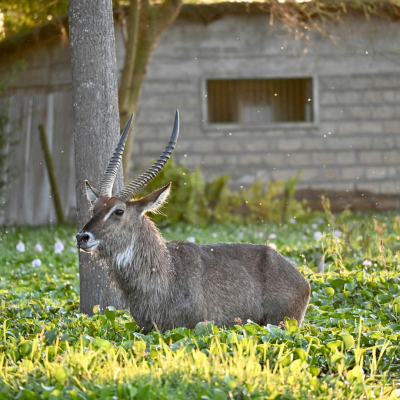
Fascinating Facts About the Waterbuck – The Antelope of Africa’s Rivers
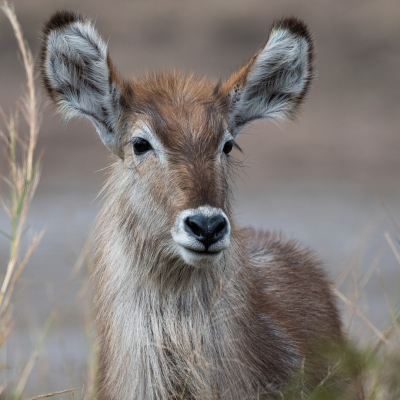
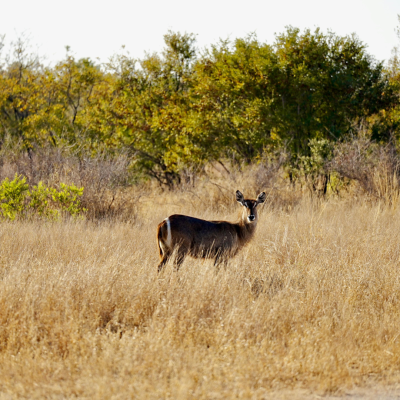
A Waterbuck sighting is always a special moment on a game drive in Kruger National Park. Often found grazing near rivers, dams, and wetlands, this large antelope is perfectly adapted to life close to water. With its shaggy coat and striking white markings, the Waterbuck is one of the most distinctive antelope species in the African bush. Here are some fascinating facts that make this animal truly unique.
Built for a Watery World
Waterbuck have a waterproof, oily coat that gives off a musky scent. This natural oil helps repel water and provides insulation, allowing them to stay comfortable even when they escape predators by swimming.
Strong Swimmers
Unlike many antelope species, Waterbuck are excellent swimmers. When threatened, they often flee straight into water, using rivers and lakes as safe havens from predators like lions and hyenas.
A Clear Identification Mark
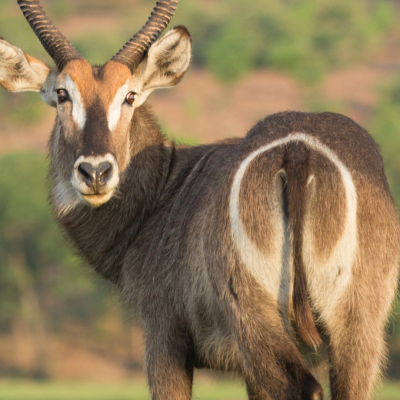
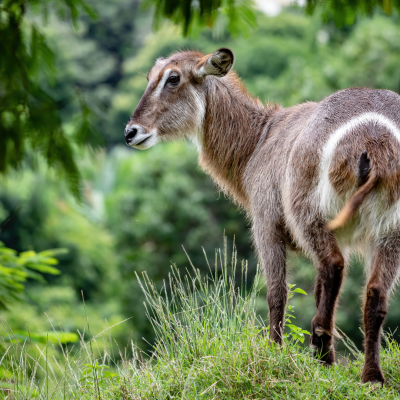
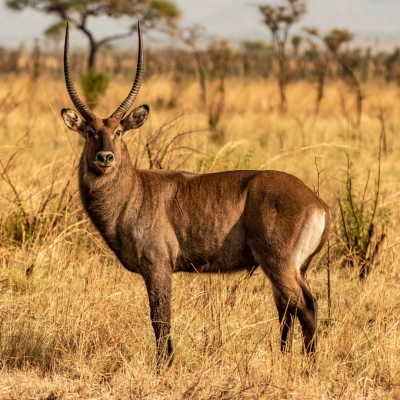
One of the easiest ways to identify a Waterbuck is the bold white ring on its rump. This marking is unique among antelope and makes them easy to spot during a Kruger National Park game drive.
Large and Powerful Antelope
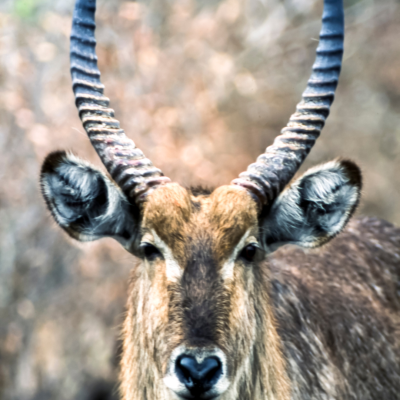
Waterbuck are among the largest antelope in southern Africa. Males can weigh over 250 kg and carry long, curved horns used to defend territory and compete with rivals.
Water-Dependent Lifestyle
True to their name, Waterbuck must drink regularly and are rarely found far from water. This makes rivers like the Sabie and Crocodile prime places to look for them.
Grazers of the Floodplains
They feed mainly on grasses, especially those growing in moist areas. Their grazing helps maintain healthy grasslands along riverbanks.
Less Tasty to Predators
Because of their oily skin and strong odor, Waterbuck meat is less appealing to many predators. Lions will still hunt them, but they are often a less preferred meal.
Calm and Watchful Nature
Waterbuck tend to be alert but calm animals. When danger approaches, they often stand their ground before retreating to water, rather than fleeing immediately.
Social but Structured
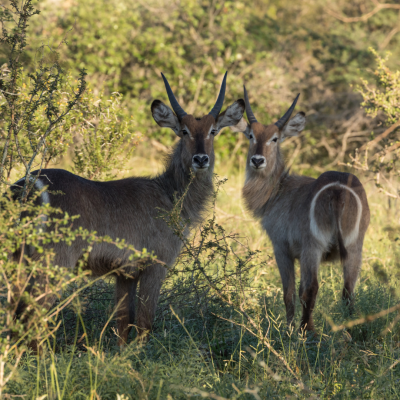
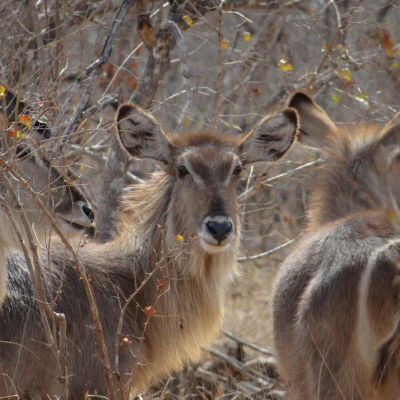
They usually live in small herds made up of females and young, while adult males establish territories near water sources and defend them vigorously.
A Classic Riverbank Sight
Seeing Waterbuck silhouetted against a river at sunset is one of the iconic scenes of Kruger National Park, perfectly capturing the harmony between wildlife and water.
A True Safari Icon
Whether grazing quietly near a dam or splashing into a river to evade danger, the Waterbuck is a symbol of strength, survival, and adaptation. Spotting one on a game drive in Kruger National Park is a reminder that life in the African bush is shaped as much by water as it is by land.
ContactUs
We would love to work with you!
Contact
Email: info@wowkruger.com
Physical Address:
Phabeni Gate
×
Hello!
Click one of our contacts below to chat on WhatsApp