Hippos, or the common hippopotamus (Hippopotamus amphibius), are one of Africa’s most intriguing and misunderstood creatures. Known for their immense size and semi-aquatic lifestyle, these animals are full of surprises. Let’s dive into the world of African hippos and uncover some cool facts about these fascinating giants!
The Third Largest Land Mammal
African hippos are massive! They rank as the third-largest land mammals, after elephants and white rhinos. Adult males can weigh up to 3,200 kilograms (7,000 pounds), while females typically weigh around 1,400 kilograms (3,000 pounds). Despite their bulk, they are surprisingly agile in water.
Not Great Swimmers, but Excellent Floaters
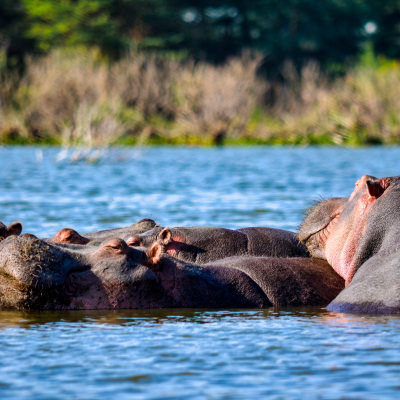
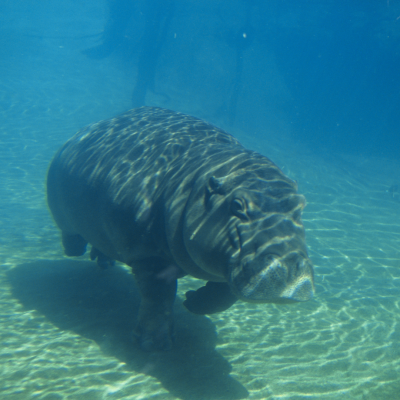
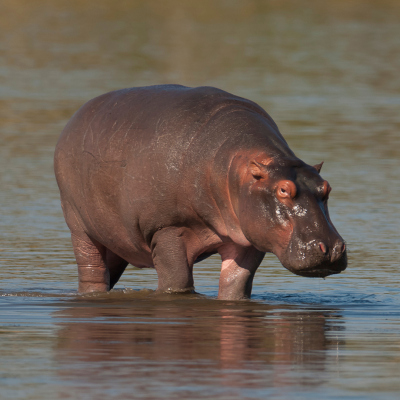
While hippos spend most of their time in water, they don’t actually swim. Instead, they float and use their powerful legs to push off the riverbed. They can hold their breath for up to five minutes while submerged, making them masters of the aquatic environment.
Built for Both Land and Water
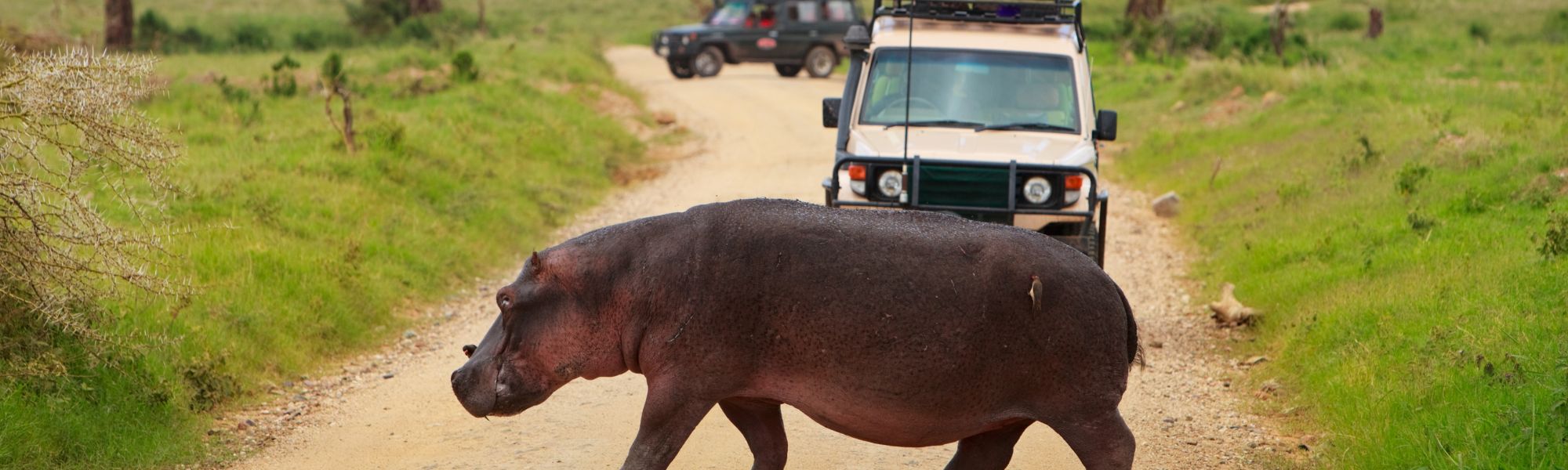
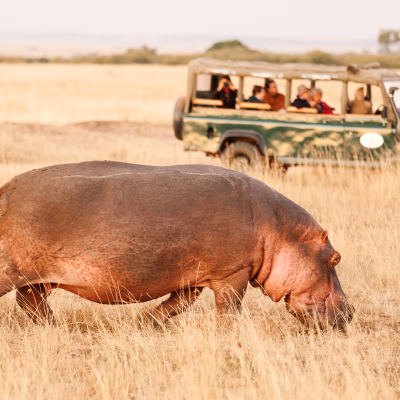
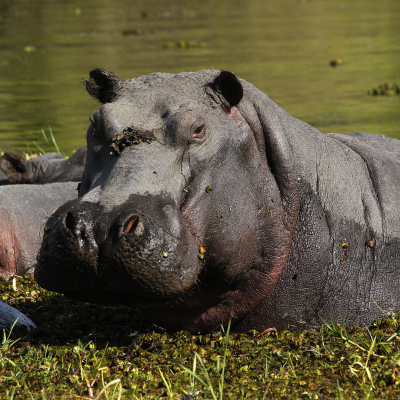
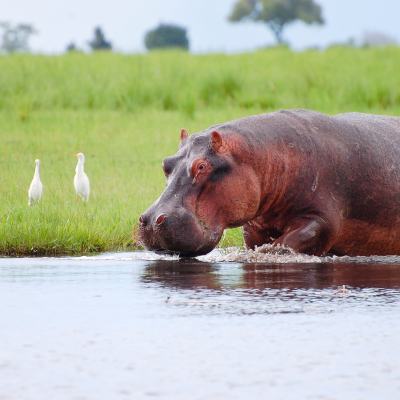
Hippos are semi-aquatic animals, perfectly adapted for a life split between water and land. They spend their days lounging in rivers or lakes to keep cool, then venture onto land at night to graze on grass.
Incredibly Dangerous
Despite their calm appearance, hippos are one of Africa’s most dangerous animals. They are highly territorial in water and will fiercely defend their space. On land, they can run at speeds of up to 30 km/h (19 mph), making them surprisingly fast for their size.
Unique “Sunscreen” Secret
Hippos secrete a special oily substance from their skin that acts as a natural sunscreen. This reddish-orange secretion not only protects them from the sun but also has antibacterial properties, keeping their skin healthy in harsh environments.
Loud and Vocal
Hippos are noisy animals with a range of vocalizations, including grunts, bellows, and snorts. Their calls can be heard over long distances, and they often communicate with each other while partially submerged in water.
Big Mouth, Big Teeth
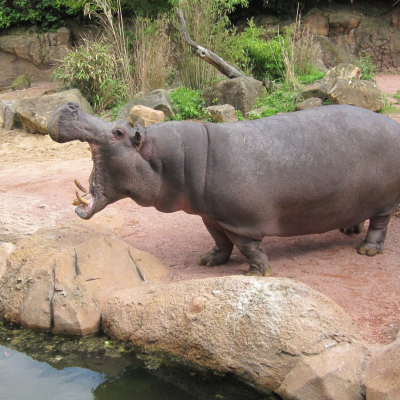
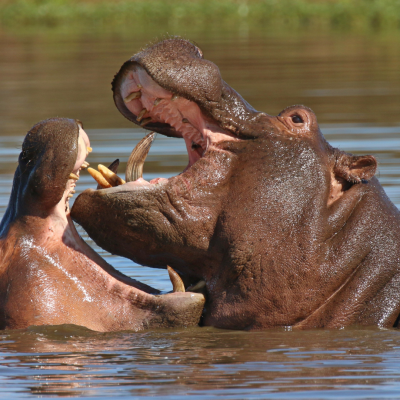
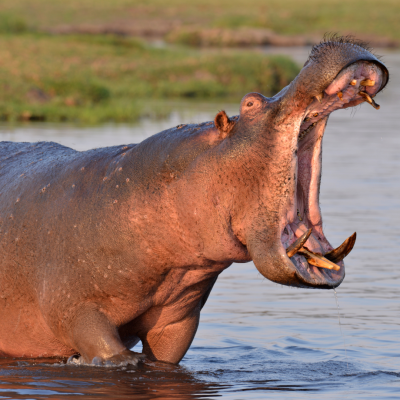
Hippos have massive jaws and tusk-like teeth, which they use for defense and combat rather than eating. Their canine teeth can grow up to 50 centimeters (20 inches) long, making them a formidable weapon.
A Grazer’s Diet
While their teeth look intimidating, hippos are herbivores. They graze on grass at night, consuming up to 40 kilograms (88 pounds) in a single evening. Despite their love of greens, hippos don’t eat aquatic plants.
Key Players in Ecosystems
Hippos play a vital role in African ecosystems. Their dung enriches the water with nutrients, supporting aquatic plants and microorganisms, which in turn benefit fish and other aquatic life.
Threatened but Resilient
Hippos face threats from habitat loss and poaching for their ivory-like teeth. While they are classified as vulnerable by the IUCN, conservation efforts are helping to protect them and their habitats.
The Remarkable World of Hippos
From their surprising agility to their role as ecosystem engineers, hippos are more than just massive animals lounging in rivers. They are an essential part of Africa’s wildlife, deserving of admiration and protection.
ContactUs
We would love to work with you!
Contact
Email: info@wowkruger.com
Physical Address:
Phabeni Gate
×
Hello!
Click one of our contacts below to chat on WhatsApp